Sunday, October 20, 2019

"Tell me the time when things did not go the way you wanted. What did you do in that situation?"

Life is very complex. Let's all agree that things happen and don't always go our way. But what does that have to do with a residency interview? Behavioral questions are popping up in residency interviews. "Tell me the time when things did not go the way you wanted. What did you do in that situation?" is fair game. I even created a facebook announcement for people to share their responses to this behavioral question.


While a lot of you have great experiences in life, this is a great response from an online practice interview that I conducted a little while ago.

Q. Tell me the time when things did not go the way you wanted. What did you do in that situation?.

A. "Yes, I can tell you a certain thing that did not go my way and this has to do with the time that my visa application to come to the US and take the Step2 CS exam was declined. This happened after I took my Step1 and scored very well at 252. Soon after I got my score, I then applied for visitor visa in February of last year to come to Philadelphia and take Step2 CS. A month before the CS, I went to the US consulate for the visa interview and for some reason that I still don't know today, my visa application was declined. The officer would not give me an explanation. This was very disappointing and distressing to me as I planned very meticulously for the Step2 CS, then Step2 CK, observership and applying for residency. I remember that my mother was also very concerned for me.

However, I took it as a challenge to make a stronger CV the next time I would apply for the visa as the more rejections you have, your future chances of getting a visa become lower. I reached out to seniors from my med school who are doing residency in the US and asked for their opinion. We found out that my applying for Step2 CS after Step1 was not the right thing to do. I thought about it and realized that I applied for Step2 CS sooner rather than later because I was very fresh from my internship year and had very good clinical skills. My seniors advised that I take my Step2 CK first and then apply for the visa to take Step 2 CS as I could then show the visa officer that I am serious about getting into a residency.

I was unable to apply for residency last year, but I made up my mind that I would not let my high Step1 score go waste. I studied hard for my Step2 CK and scored 249. After that, I applied for the visa to take my Step2 CS and this time I showed the visa officer that I had completed the Step1 and Step2CK and that I needed the CS to get ECFMG certified and then get into a residency program. The visa officer looked at my scores and I think she took my case more positively than the last interview and granted me the visa to travel.

So this is where things did not go my way but just by taking a step back, reaching out to others for help and information and then working towards making the necessary changes rather than being bogged down and disappointed helped me be successful in getting the visitor visa and making it to today's interview.  In retrospect, I think the first time I applied for the visa, I was a bit oveconfident after I got my Step1 score. The visa denial challenged me to do even better and have even a stronger application and so I take this experience positively."

You can see that this response described the events and how the young doc made the best of this situation to achieve great success. What is your story? Do share at facebook.com/group/ed4medus/ and I can comment on your response. Plus, you can see other's responses too.


Photo credit for image in post: https://i.pinimg.com/originals/80/96/29/809629ac346f294e79bccbc6e06c628e.png

Wednesday, October 16, 2019

"If you had unlimited research funds, what would you study and why?"


The facebook.com/groups/ed4medus/ is starting to generate a lot of great interaction between the group members. Thank you for your contributions. Here is the first question:

So the question is what research do you want to do and why.  Let's first understand the rationale behind this question and what exactly is the interviewer looking for. I briefly discussed it in my practice interview with SS in a prior post, but lets look at it in more detail. 

Why is the interviewer asking you this question?

Overall this is a test of your critical thinking skills.

I believe the interviewer is asking this question to get a sense of which medical condition or problem hits you most at the heart i.e. which medical condition (acute or chronic) are you passionate about the most. Is it something that you feel you can do better than others? Is this something that you cannot withstand anyone else doing a sloppy job? Is it something that wakes you up in the middle of the night in a cold sweat and you are absolutely not willing to cut corners when trying to do your very best for the patient with this medical condition.

The interviewer could also be evaluating if you have the right research outlook i.e. the ability to identify that there is a real need to solve a medical problem in the community and that possibly you have the fire to take the lead in making a difference to patient outcomes. 

The interviewer may also be testing your medical knowledge in this way and wishes to know if you are following the research literature about latest developments in your disease of interest.

This may also be caught as a way of trying to really gauge your interest in that specialty.  For example, some internal medicine applicants do apply to a second specialty such as pediatrics or psychiatry. When you are at an internal medicine interview, it is going to look very awkward if you would like to find safer alternatives to electroconvulsive therapy for major depression or develop newer therapies for ADHD. So think about it and make sure you are well prepared. This is a bit similar to 'Tell me an interesting clinical case'.

The interviewer is also getting to know you better as a person through this question and is trying to understand why you feel that medical problem is important to you. Was there a family member afflicted with that disorder? Did you personally get affected by that problem. Now is the time to tell so.

What is the interviewer expecting you to answer?

I believe the interviewer wants you to self-reflect and ask yourself what medical condition would you be most interested in. There is a common saying in internal medicine residency that when are choose a subspecialty fellowship, think of the ONE chronic medical condition that you are very keen in resolving. It could be atrial fibrillation or stroke or MI or GI bleed or prostate cancer or COPD or asthma or rheumatoid arthritis but there has to be JUST ONE chronic condition.

Can you give an example?

Your answers could range from anything like diabetes or hypertension or more specific conditions like pulmonary hypertension or MI or esophageal cancer or even society's ills such as tobacco cessation or reducing salt intake.

This would be my response: 
"I would be very interested in studying obesity.  Obesity is a major medical problem affecting one third of the US population. I myself have seen my mother as a victim of obesity and its complications, that is, diabetes, hypertension, sleep apnea, osteoarthritis. We have absolutely no approved medical therapy to address obesity.  The endemic of obesity in my opinion is because of increased insulin from high carbohydrate intake.  If I had all the research funding, I would really like to study how a diet that is high in fat and protein, but low in carbohydrate such as the keto diet could help with weight loss and also improve outcomes of cardiovascular events and even survival. This is because I truly believe that 'you are what you eat'. My research would also serve to update national guidelines such as the American Diabetes Association guidelines that currently has recommendations on a low-fat diet but discourages a high fat diet that I intend to study. This research would help millions with obesity and diabetes in the US and the world."

What's my reference for this example. The Ted talk below:

Saturday, October 12, 2019

"Do you plan to return to your home country after residency?"


Listen to this audio clip of an online practice interview that I recently conducted. My question to the applicant was whether she had any intention to return back to her home country after residency training. You can read below the transcript of this clip from the interview.


***
Dr Ed (me): And I also saw that in your personal statement you talked about a shortage of qualified primary medical physicians in India and you also talk about how you want to probably make some changes in policies or try to improve upon that so that it is not going to be a financial burden.  Does that mean that after residency you plan to go back to India?

SS: Okay, so Dr. Ed, my most important thing that I feel as a doctor is reaching out to people who really need your help.  If I have the knowledge and skill, and I am not able to provide it to the people who need it the most, I will not be able to justify my knowledge. And I have this feeling that we have a certain section of underprivileged population not only in India, but across the world. And it was my experience in India that I had witnessed this kind of disparity in healthcare provisions.  But my work tomorrow after residency or fellowship is going to address the needs of the people not only in India but across the world.
***

Okay, so what just happened here in this interview exchange? Did the applicant answer the question that was asked?  Are you satisfied with this answer from the applicant?

The question was structured to have a 'yes' or 'no' answer. IMHO, my question was not answered directly or may be even indirectly.

I do realize that when an applicant who is an international medical graduate is asked this question there are certain aspects that make it confusing to frame an answer. If you say that you plan to return to your home country right after residency, then the interviewing faculty member is quite likely to think that "you are not serious about residency training" or" that is a crazy thing to do" or" why should we train you and spend all the time and effort for you just to go back to your home country".  Yes, many of us do have a sense of patriotism towards our home country. In reality though, US residency programs train you to practice only in the US (OK, some may argue that some procedural skills can be applied in any country).

On the other hand, if you say that you plan to stay in the US after residency, that is a fine answer if you are serious about it. This response is not considered negatively in the mind of the interviewer, though it may lead to more questions such as your plans after residency training on a J1 visa [that requires you to return to her home country for 2 years]. And for some, it is very difficult to say it straight to the interviewer and commit to staying in the US permanently after residency training for a variety of personal reasons and family reasons.  I get that.

My answer to this question would be as follows: "Dr. Ed, I gave a lot of thought to that question.  Because my parents and all my family members are based in India, it is difficult for me to say most certainly that I will be settling in the US after residency training.  At this time, I am very much focused on working hard in residency to become an excellent physician at the end of my training. I do plan to work a number of years after residency so that I can apply all the skills that I learned during residency to practice medicine comfortably and independently. At that time, I will be in a better position to decide whether to settle in the US or return back to my home country."

I feel that the above response shows that you have given serious thought to plans of settling in the US after residency and at least for now have a plan in mind as best as you can. It also provides a clear answer to the interviewer.  No one can predict the future and what that may bring but sharing your thoughts with the interviewer freely and confidently will satisfy the interviewer.

What you think about the above response?  Do think it is balanced or still ambiguous?  Writing your comments and do share with your friends.


Photo credit for image in post: https://ifpnews.com/wp-content/uploads/2019/07/Reverse-Brain-Drain-in-Iran-Elites-Returning-to-H.jpg
https://www.thebalancecareers.com/thmb/hdaLssMa0sQemPzHa3gglVmBQPw=/1280x853/filters:fill(auto,1)/video_chat_teleconference_200551014-001-56b08b5d5f9b58b7d023f209.jpg

Thursday, October 10, 2019

"Tell me about your strengths and weaknesses." Weaknesses. What you should NOT say.


In the last post, we looked at 'weaknesses' that you can and should safely disclose when asked at the interview. But how far can you push this? At what time, does a weakness become a reason to turn off the interviewer so that you lose your chances of making it into the coveted rank order list. Here are some 'weaknesses' that in my opinion should NOT be said (at the least in the words below):

1. "At times, I feel I am not confident of my English language."
Now that's just not true. You may feel that English is your second language esp if you are an IMG. If you have mastered the USMLE Steps including the CS, wrote your personal statement and are invited for an interview, English IS your first language and you have an EXCELLENT command of the English language. There is no room for modesty here. You may talk about your accent and that an accent reduction program would be helpful, but again there should be absolutely no questions in your mind about your knowledge of the English language.

2. "I don't sleep at night because I keep thinking about patients."
The first response in the mind of the interviewer is 'this person needs help'. No one wants an insomniac in their hospital as this leads only to burnout. You need to demonstrate that you have some degree of work life balance and the above stated 'weakness' shows that you have none.

3. "I am very anxious."
Again, no one likes to be around a nervous Nellie (a timid person who is easily upset and is hesitant to act). Even though you may add as to how you have overcome your anxiety, claiming that you are anxious borders on having a personal diagnosis of 'generalized anxiety disorder'. Medicine has many stressful moments and the last thing an interviewer wants to deal with is someone paralysed with anxiety.

4. "I am a procrastinator."
Oh boy! You do like to get yourself in hot water. It does not matter whatever changes you have made in life, but procrastinating in training and clinical practice is just bound to cause failure and trouble for yourself and your team members. Don’t say this.

5. "I feel that I am weak in my writing skills."
Well, then how did you write your personal statement? You can't say this as a weakness. Writing (and documentation) is a very essential communication skill of a resident. You may temper this statement by saying 'I feel that I need to make my writing more impactful when I am writing a research paper. I have improved by reading more research papers in NEJM. I hope I can work with you in residency to get 1-on-1 guidance to write concisely and accurately.'

6. "Lack of confidence is a weakness of mine"
OK, how did you make it so far into the residency interview if you have no confidence? Lack of confidence or experience is just not a weakness. You may say 'I am shy' or 'introvert' (see my earlier post), but still in those situations you are very confident about your medical knowledge and clinical skills. So pls pls, never say that you lack confidence.

7.  "I have trouble working with others in the team", "People take advantage of me", "I cant get things done" or "I can't stand another person's incompetence" are simply NOT to be said.
Medical practice is a team effort. You absolutely need to be a team player. You can't boss around or be arrogant. This sort of behavior is just not tolerated in the current times and certainly your interviewer will not tolerate it.

8. "I have trouble asking for help."
Again, not asking for help either in your personal or professional lives is going to just leave you more frustrated, upset and burned out than ever. Now, 'trouble asking for help' is just a tad different from 'difficulty delegating work' (see my last post). I feel that in 'difficulty delegating work' that was discussed in my earlier post, you have decided to ask for help, but just don't know how to request for help. Saying "I have trouble asking for help" means that you are just going to stand there paralyzed in misery.

Always remember: Unlike some cultures, asking for help is NEVER to be considered a sign of weakness in an US residency program. Better safe than sorry. 


Photo credit for image in this post: https://img.huffingtonpost.com/asset/58af0870290000fe16f284d1.png?ops=scalefit_630_noupscale


Monday, October 7, 2019

"Tell me about your strengths and weaknesses." Weaknesses: What you CAN say.


"Just like losing a game does not make you a 'loser' in life, having a 'weakness' does not make you a 'weakling'." - Ed4Med LLC

Honestly, I do not like the word "weakness" or "failure", even though I deal with kidney failure on a daily basis at work.  "Weakness" has such a negative connotation that it implies loss of any hope.  But, that is just not true when it comes to performing in a residency interview.

'Tell me about your weakness' is a common question in a residency interview and I feel that interviewers spin this question in a myriad number of ways by asking for your 'areas of improvement' or 'How do you think you can improve your self' or 'how have you changed yourself' or 'what are the areas of improvement that you foresee for (or identified) in yourself' and so forth.

The intent of this question is for the interviewer to evaluate whether you possess the skills to self-reflect, identify shortcomings or errors or areas of improvement, make necessary changes, intervene and develop yourself professionally or personally so that it is no longer a 'weakness'. Or rather, you can think of this as an opportunity for you to do a "confession" and "repair and recovery".

But what 'weaknesses' are acceptable or even tolerable in a residency interview? There needs to be a balance between being upfront and truthful to the interviewer but at the same time not to blow your chances of being ranked high by the residency program. Here are 9 examples that I feel are applicable in the medical residency interview and some may also be applicable to life. Note how you first stage your weakness, then provide additional context or an example and finally state how you fixed this" weakness".


These 'weaknesses' were shared with me during the online practice interviews. I usually push the applicant to state their 3 weaknesses. The initials of the applicants who described the 'weaknesses' are provided (you know who you are). There are also some 'weaknesses' in the bottom of the post that are non-traditional, though in my view, seem fair in the current times.

1. Feeling of 'not enough time' or 'trying to be perfect'

RH: I feel that I was spending too much time learning every little fact of medicine. This was leaving me frustrated when I failed to recall certain details that, in hindsight, probably would not have affected the clinical course of the patient. For example, I now realize that I don't really need to know the mutations for polycystic kidney disease but I do need to know the importance of taking a family history and looking for kidney and liver cysts in polycystic kidney disease. I changed my approach when I started preparing for USMLE and also because the finer details are now  easily available on the computer and the phone. I now focus more on clinically relevant information. When I did an observership in University of __, I really liked how residents used uptodate to answer a focused question. I feel less overwhelmed this way and feel I can enjoy practicing medicine.

PP: There was one weakness that became apparent to me when I started to write a review paper with my mentor.  This was a paper on the impact of bariatric surgery in patients with diabetes. There are many research studies, editorials and perspective papers out there. When I started to write the manuscript, I wanted to download and print all the 60 or 70 citations and read them all. I wanted to feel perfectly confident that I could write only after mastering the literature. This was my weakness as it just caused me to be more stressed and frustrated and I didn't make any progress in the manuscript for about a month.  My mentor then suggested that I read no more than 5 original papers published in the last 5 years as a starting point. She also encouraged me to start writing after I finished reading these 5 papers and then to make additions or subtractions in the manuscript based on further reading.  I really loved this idea and implemented it right away and noted a lot of progress in my manuscript.  I believe this strategy will be useful when I do my case presentations as I know that I can read up to 5 selected papers and start working on the PowerPoint slides in my limited time. I realize that it is not possible to know it all.

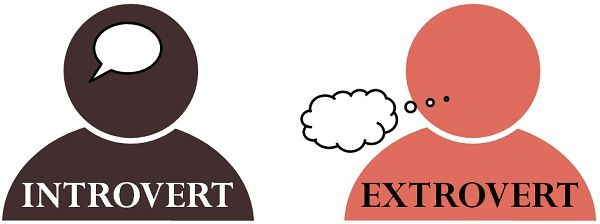
2. Conflict between introvert and extrovert


MR: My parents tell me that I am an introvert. During my time doing elective rotations in the US, I felt that I was not good at maintaining conversations outside medicine. I don't feel I avoid social interaction, I think its a cultural difference. So, I took two passions of mine -sports and Indian cooking and I explored how I could have an engaging conversation in US. Growing up in India, the only sport I knew of was cricket. After coming to US, I learned about baseball. I now know the famous teams, players, rules, Babe Ruth, though I haven't bought baseball cards yet. Similarly, with cooking, I only knew about Indian cooking. The one favorite Indian item I make is called 'Biryani'  because you can just give it so many different flavors. I have found that Mexican cuisine is quite similar to my style of eating rice and vegetables.  I am trying to mix Indian and Mexican items and trying out different rice based foods and would love my colleagues in US to try.

MC: Growing up, I was told that being an introvert is a kind of weakness. Going through medical school and working in teams, big and small, in sometimes stressful conditions, I realized that my preference is that of a small group of people whom I can develop relation and trust. I have read about the MBTI types and believe that being an introvert has some clear advantages. I work best by carefully processing the information available to me and make decisions by thinking through the problem, rather than making quick decisions by emotion. This is another reason why I chose to specialize in internal medicine as I really feel that I am a 'thinker' and then act by reasoning. I will find myself more at home in this smaller class in a community hospital where I can develop close relations with my co-residents and attendings.

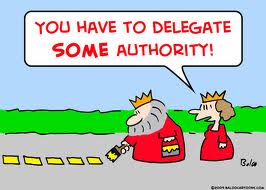
3. Difficulty in delegation of work


JB
: One thing that I feel I could work on some more is my skill of delegating work to another person.  Being that I like things to be done in a certain way perfectly and on time, I usually just give up asking another person for help and do it myself. I find that at times, this leaves me tired and I wonder if my extra effort was worth it. And I have improved by ability to delegate some of the work by clearly explaining to the other person why a certain work needs to be done and I provide very clear instructions. For example, when I was rotating in medicine at the __ Medical Center, and if I wanted to get records from an outside clinic, I would previously tell the unit secretary to get all the notes and lab work from the primary care office faxed to me. I later realized that because of unclear instructions, this almost never got done and because of the delay, I would end up having to call the office myself. Instead, what I have been lately doing is I would first check with the patient when was the last blood work done and I would specifically tell the unit secretary that I need her help to obtain the basic metabolic panel reports done in the last 6 months from the primary care office of Dr. such and such, so that we can plan the biopsy procedure tomorrow. This way, the work is more likely to be done and I don't feel remorse if things don't get done to my satisfaction. And yes I do thank the unit secretary for her help.

4. Difficulty in saying 'no'


TL: I sometimes find trouble in saying 'no' to requests from my colleagues at work.  In the past, this has often caused me to feel stressed because I would end up taking more work than I could handle. Also, I sometimes felt that people would took advantage of me as I would easily give in. My family is very supportive and I noted that my difficulty in saying 'no' took away precious time from my family.  After I realized this weakness, I am now able to do a better job organizing my time and balancing my work and family time. I am still happy to jump in and help my colleagues in times of emergencies or family illness, but I don't feel bad about politely refusing if someone asked me to, for example, write an abstract for someone especially if my contribution is not going to be mentioned. I do make it a point to explain why I am declining the request so that I can still maintain a healthy relation with the other person as I may need their help at a later time.

5. Weakness outside medicine.

RF: I have a difficult time understanding financial planning. This is because of different view points of my father and brother.  My father believes in saving for retirement, while my brother who lives in Los Angeles, a high cost of living area lives paycheck to paycheck. I do worry a lot about how I am going to pay my student loan and make sure that I and my family will be financially in the good situation at retirement. What I have done so for is that I started reading financial planning books by physician authors. In fact, my favorite podcast is called White Coat Investors. This is run by Jim Dahle, an ER doctor. He gives very practical advice and my favorites so far are not to buy a house in residency, buy a used car, and to live like a resident for a few years after becoming an attending. I now have better knowledge of saving for retirement like the 401(k) plans and believe that I am going to be okay if I am careful with my spending and do not take unnecessary debts.

AA: Belonging to the LGBTQ community, I used to get very angry and upset when someone used to treat me differently or say not shake hands with me.  While I have got used to how people react to my gender preferences, I have learned to be more forgiving and make an effort to educate the other person that I am no different than him or her.  Fortunately, in the current times, people have become more tolerant and that is one of the reasons why I am applying to your program as I feel I will be readily accepted by the patient and physician community here.

MP: One of my weaknesses is that I have not invested enough time in staying fit. In the first two
years of medical school, almost every waking moment was spent in reading and learning about medicine.  As I moved to the third and fourth years of medical school, I realized that I need to be in top shape to do my best taking care of the patients on the floor. I now start my day with a brisk run on my elliptical and I have also enrolled in yoga classes.  In fact, I find that something is missing if I do not get any physical activity in the morning. Because of my morning routine, I feel physically and mentally more alert to work in the hospital now.  I have also now started more outdoor activities in a way to get me away from my iPhone.  I would be interested in trying skiing though I have heard a lot about experts falling and suffering an injury.  May be I will try beginner slopes.

It can certainly be hard to answer the question "what are your weaknesses?" But framing your weaknesses as a strength with careful practice can help you sail through this unpleasant question and still stand out from other applicants. Learn how Ed4MedUS.com helps applicants do their best on interview day and sign up for an online practice interview now (Low introductory rates $29 for this year). 

Hope you liked this post! What's your greatest weakness? Share in the comment box below and I can then reply with my comments. 


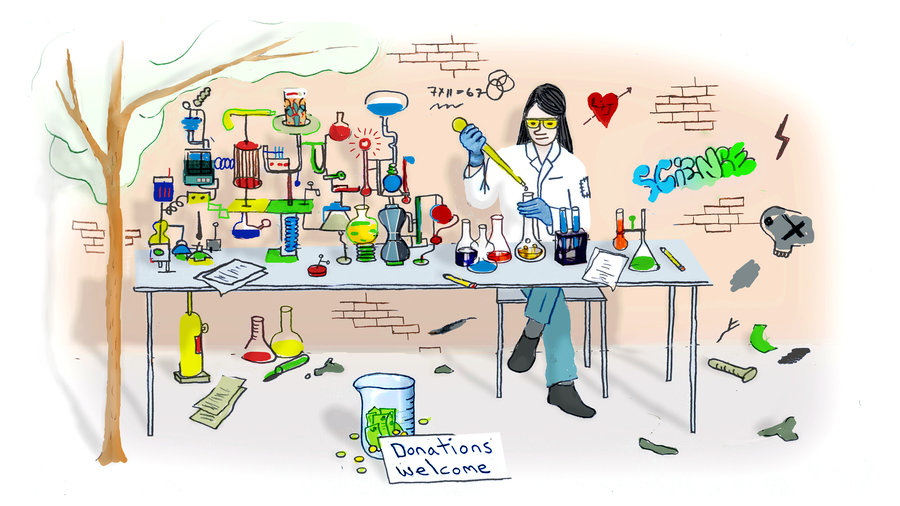
Photo credit for images in post: http://173.199.187.158/mt-content/uploads/2019/06/what_is_your_greatest_weakness_900x450.jpg
https://careerintelligenceresumewriting.com/wp-content/uploads/2016/08/weakness-1.jpg
https://keydifferences.com/wp-content/uploads/2016/07/introvert-vs-extrovert.jpg
http://res.cloudinary.com/taskbullet/image/upload/v1496336596/Delegate-work_kljiqf.jpg
https://www.connectyourmeetings.com/wp-content/uploads/sites/13/2017/08/Web_sayingNo.png
https://weblogtheworld.com/wp-content/uploads/stay-fit-now1.jpg
https://www.60degree.com/wp-content/uploads/2018/09/a22222.jpg

Wednesday, October 2, 2019

"Tell me about your research" Example 2 of 2 - research survey


In the last post, I shared with you the interview exchange between an applicant and the interviewer about her public health research project. In this post, let us look at another applicant [AK] who very enthusiastically shares with me [Dr Ed], in an online practice interview, his research survey that he completed before applying for residency.

Pay careful attention to how he describes the research methods, findings and how he did not settle for just data collection, but moved the project forward to the point of abstract submission in an attempt to present at the largest diabetes conference. Also, have a look at the time-frame when he was able to accomplish all this as it gives you valuable practical information.  Let us start... (Note: Personal information has been withheld to protect the identity of the applicant).
***
Dr. Ed: You indicated in your research experience that you were at __ University doing research in diabetes. Can you describe the research study to me?

AK: Certainly. When I was in (city) staying with my family preparing for Step 2 CS and Step 3, I worked as a research assistant in the Endocrinology division at __ University. The diabetes clinic was situated in downtown __.  I started the research work in May of this year. Dr.__, with whom I worked the most, had created a survey on patient knowledge of diabetes. My role was to survey the patients in the waiting area of the diabetes clinic.

It was a busy place and I was able to survey 106 patients for the study. The questions focused on patient's understanding of what a hemoglobin A1c is, what is the target A1c and what was their recent A1c as far as the patient could tell. After I completed the data collection by the end of August, Dr.__ showed me how to do a basic SPSS analysis. We found that half of the diabetic patients had no clue to what an A1c was, a quarter of the patients heard of the A1c but did not know the target A1c and another quarter knew what an A1c was and their A1c target. We took this one step further, pulled every patient's A1c from the medical records and worked with the biostatistician to look for a relation between knowledge of the target A1c and their actual A1c value. The most interesting finding was a statistically significant trend between a greater knowledge of A1c and a lower patient A1c, that is, a higher patient awareness of the target A1c was associated with better glycemic control in diabetes. I wrote the abstract for this study as the first author and we plan to submit the abstract for oral presentation at the American Diabetes Association conference.[AK then shows me a printout of these findings with a pie chart and bar graph]


Dr. Ed: Very interesting. How do you explain that better awareness of the target A1c led to improved diabetes control?

AK: Our study was not really designed to answer that question and so we could only report the association.

Dr. Ed: Right, right. You used the word 'associated' and not 'caused'.

AK: Yes, we discussed a few possible explanations. Patient knowledge of target A1c, to me, could mean that the person is educated and motivated to take better care of himself or herself and thus may make healthy lifestyle changes such as healthy food choices, close monitoring of the blood sugars, following up with the physicians or working with the diabetes educator.  These are some of the possible reasons for our findings.

Dr. Ed: Right, that's possible. What was the demographics of the patients you surveyed?

AK: The average age was 64 years. Most of the patients were of African - American ethnicity with low socioeconomic status and low educational status.

Dr. Ed: What do you plan to do next with this data?

AK: I wrote the abstract as the first author and I am waiting to hear back from the co-authors. Dr.__ encouraged me to submit it to ADA for oral presentation and I will be very curious to see the response. If it does get accepted at ADA, I will then work on the powerpoint slides or poster. I am interested to learn how to write the manuscript and do realize that its a steep learning curve. With the help and support of the research team, I believe I will be able to complete a first draft by the time I start residency.

Dr. Ed: Did you also look at blood pressure in this study? That is, if knowledge of their blood pressure target led to improved blood pressure control?

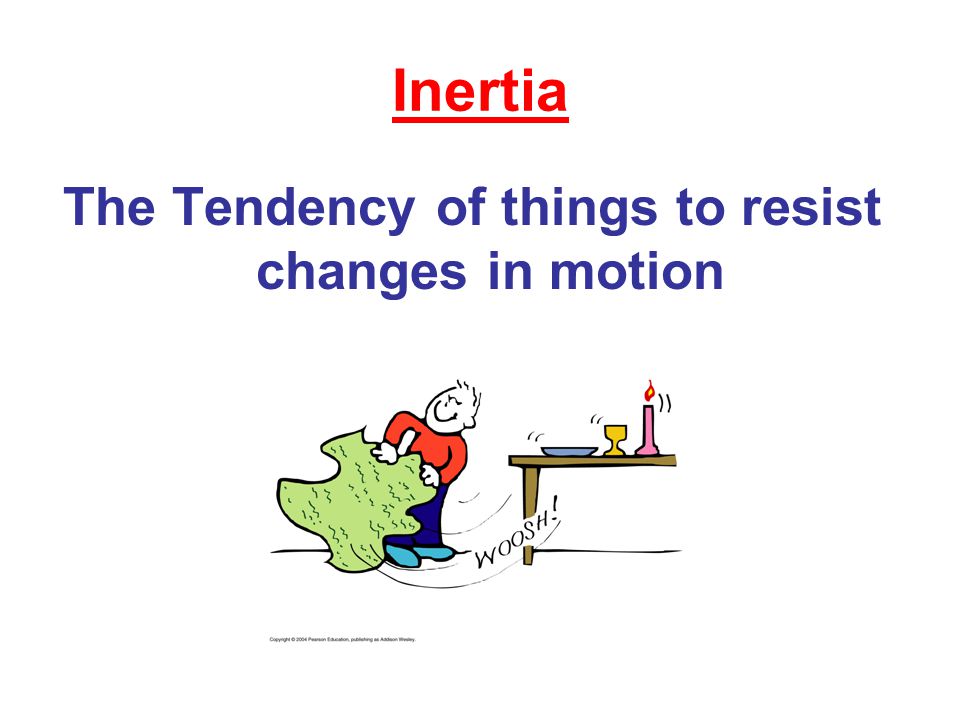
AK: In our study, we did not find that knowledge of blood pressure target was associated with better blood pressure control. Dr.__ was very keen on studying this. I saw patients with her in the diabetes clinic as part of my observership and she would ask the patients about their goal blood pressure. It was fascinating to watch some patients who knew their blood pressure target were not happy if their blood pressure was 150/90. She has written about 'physician inertia' and that if patients know enough about their medical condition, they may question the doctor on how they could do better and thus overcome the 'physician inertia'.

Dr. Ed: This certainly sounds like a very talented team of researchers.

AK: Yes, I feel very fortunate to be a research assistant in this endocrinology division. I gained very valuable first hand experience in survey design, conducting the patient interviews, learning analysis on SPSS and presenting the data to the division.

Dr. Ed: Great! Let's move on and see if you have any questions for me?
***
Again, you will see that the applicant did an excellent job describing his research study concisely, had a deliverable (printout of the important data with pie chart and bar graph), and fielded followup questions thus demonstrating his ability to critically think and know the ins and outs of his project.

Preparing yourself for the interview by a careful reflection of your learning experiences, as in this interview exchange, can certainly improve your performance on the interview day and increase your chances of being ranked high by the residency program.

Check out ed4medus.com and learn how personalized services such as online practice interviews can help you in your goal to a US residency program. 

Before you go: Here's your golden opportunity to have your voice heard! I am working on some of the questions that you asked (including this topic). But I need more questions!

Write down your ONE question regarding your US residency program application, personal statement, interviews or anything that has been bothering you and keeping you up at night. You can reply at the end of this post or message at my Facebook page or email me at varun@ed4medus.com

The top 10 popular questions will be featured on my next blog posts at https://ed4medllc.blogspot.com/ and the winners will receive a coupon each for a FREE practice interview at Ed4medus.com ! Put those thinking caps on and hurry up!


Photo credit for images in blog post: https://weillcornell.org/sites/default/files/clinical_service_images/c_endocrinology_and_diabetes.jpg
https://s3.amazonaws.com/myglu-content-production/secure-wp-content-glu/uploads/2017/01/24134320/ThinkstockPhotos-472499904-e1485283441140.jpg
https://i.ytimg.com/vi/MWUM7LIXDeA/maxresdefault.jpg
https://images.slideplayer.com/16/5016498/slides/slide_2.jpg

Tuesday, October 1, 2019

"Tell me about your research" Example 1 of 2 - a public health project

Here are excerpts from an online interview that I recently conducted at Ed4MedUS.com. The applicant is an IMG from India [SS], where she talks about her research project during medical school.  Look carefully at how she describes her study, the choice of words by the applicant and follow-up questions by me [Dr Ed, the interviewer].

To me, this is an exemplary way of presenting your research study, even if you feel that 'your project is not great'. This post is the first in the series of 2 posts. In the 2nd post, I will describe the conversation about another research project that was completed prior to the applicant’s residency application.

Dr. Ed: I see on your application that you have done some research in med school. Can you describe your research experience?

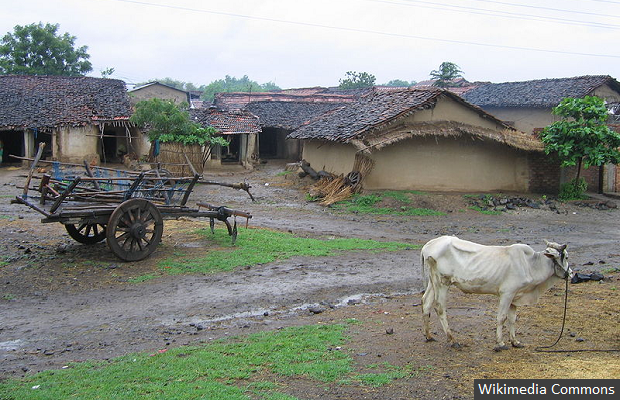
SS: Yes, I would be glad to. In my third year of medical school, I performed a research survey with the guidance of my professor of community medicine. This was a cross-sectional study, where we wanted to explore the knowledge and practices of waste management in a rural area in Kerala, India.  You may have heard of Kerala in India being 'God's own country' but there are many villages in this state. I and four medical students formed a team and we created a survey. We approached 450 households over one and half years where he went to each house in our assigned area of survey and asked the head of the household about demographics, socioeconomic status and education. We then asked a list of questions about waste management that is how were the families handling biodegradable wastes, plastic, electronic and glass materials. We had some very interesting findings and some findings that were concerning.

Dr Ed: Go on. {Following image comes to mind}

SS: Almost all the houses that we surveyed in the village were finished houses and had a toilet. We found that about two-thirds of the households did not practice safe handling of biodegradable wastes and half of the homes did not handle plastic wastes appropriately. Interestingly, three-fourths of the homes handled electronic wastes well by discarding batteries, toys and devices through a collection service.  I worked with my colleagues entering the data into an excel file and then we took the help of our professor in doing an SPSS analysis. What was interesting and concerning at the same time is that the waste management practices did not appear different based on educational or socioeconomic status, that is, it did not matter whether the head of the household was educated up to 10th standard or had higher education and whether they were above or below the poverty line.

This study really made me realize that we need to do a better job educating the public on waste management. Incentives for use of technology such as a bio-gas plant or a compost pit located far from a water source may improve waste management practices and reduce pollution. The study helped me learn the importance of careful data collection, timely recording in an excel, SPSS analysis, presenting the data and writing the report.

Dr Ed: Very nice. Is there any similar data available?

SS: I did a literature search and there is very limited data from India. In fact, one study found even worse, that is 90% of households disposing solid wastes inappropriately.

Dr Ed: What should be done next?

SS: The effect of an intervention on waste management practices, such as improving public awareness, should be studied. For example, there is a public health mission going on in India called 'Swachch Bharat' that aims to increasing people's awareness and motivating them to keep their environment clean.

Dr Ed: If you had to redesign the study and had all the resources in the world to do research, what would you do?

SS: [after thinking briefly] I would test the level of pollution in the air and water and study the effect of an educational intervention and an incentive program where each household is rewarded to turn in all the wastes appropriately. I would study the effect of this intervention by retesting the air and water and show a decreased level of pollution.

Dr Ed: Interesting. How will this research experience help you in the future?

SS: The study makes me more aware of how there could be a problem with management of biomedical wastes. For example, when I was observing in Oregon Health Science University, I was concerned about the medication changes and wondered if a patient had a 90-day supply of a medicine and the doctor then changed the medicine due to intolerance, then how would the patient dispose of those unused tablets. If they cannot return the medicines to the medical store, are they dumping it in the toilet? I was glad to see separate medication bins to dispose unused medicines. Also, I visited the local library when I went to visit my cousin and saw prepaid envelopes to mail unused medicines. I did some more reading and found that these medicines are then burned to reduce pollution and prevent damage to water life.

Dr Ed: Uh-huh...


SS: Also when I was rotating in nephrology in Oregon, the attending I rounded with had concerns about the amount of waste generated in dialysis such as water waste, plastic tubes, dialyzer waste, blood waste. We discussed papers where some nephrologists are trying to make dialysis less harmful to the environment. I feel this would be a great quality improvement project in the future.


Dr Ed: Are you going to do this improvement project in residency?

SS: I am not sure about a nephrology project, but in internal medicine residency, I would like to survey the patients and find out what they are doing with their bottles of medicines after the doctor asks them to stop the medicines.  For example, when I was rounding in nephrology, I saw that dialysis patients need to take a lot of phosphorus binders. If a dialysis patient is prescribed calcium carbonate 1 tablet 3 times a day with meals, then a 90-day supply means 270 tablets. What happens if after 2 weeks of taking the calcium, the patient has an intolerance to the binder? I would really find this topic to be very interesting and a quality improvement project that could be completed.

Dr Ed: What else did you learn from your research project?

SS: This research project taught me a lot about how important it is to carefully plan every step right from the survey questionnaire, the visits, data collection and storage in excel. My skills in working in a team of medical students, working to finish the assigned work and helping each other out allowed us to complete the study. The project also improved my skills of organizing and presenting data in a form that is easy to understand and with the help of tables and bar graphs. I also learned to collaborate with a biostatistician for the analysis and doing a literature search. As this was a teamwork, we all had different pieces of the report to write and thanks to our perseverance, I am glad that the report turned out very well.

Dr Ed: Did you get any award for this study?

SS: No, I did not. And I am fine with that as my goal was not really to compete with other teams, but to learn the research skills and do more research or quality improvement projects in the future.

Dr Ed: OK, let's move on to the clinical side of things.....

___

You will see that the applicant has done a marvelous job of describing her research project very concisely and demonstrated the ability to critically assess how this helped her be a better physician even if her future goals (or research efforts) are very different from her medical school project. She demonstrated presence of mind by very satisfactorily answering the questions that followed the results of her project.

Preparing yourself for the interview by a careful reflection of your experiences, as in this interview exchange, goes a long long way in improving your chances of being ranked high by the residency program.

Before you go: Here's your golden opportunity to have your voice heard! Write down your ONE question regarding your US residency program application, personal statement, interviews or anything that has been bothering you and keeping you up at night. You can reply at the end of this post or message at my Facebook page or email me at varun@ed4medus.com

The top 10 popular questions will be featured on my next blog posts at https://ed4medllc.blogspot.com/ and the winners will receive a coupon each for a FREE practice interview at Ed4medus.com ! Put those thinking caps on and hurry up!


Photo credit for image on top of post: https://elearningindustry.com/wp-content/uploads/2015/11/10-online-research-tools-every-online-learner-know.jpg
https://archive.indiaspend.com/wp-content/uploads/village_620.png
https://community.data.gov.in/wp-content/uploads/2018/10/swachh-bharat-infographic_Home-300x185-01.jpg
https://scx1.b-cdn.net/csz/news/800/2017/projectusesp.jpg